


Table of Contents
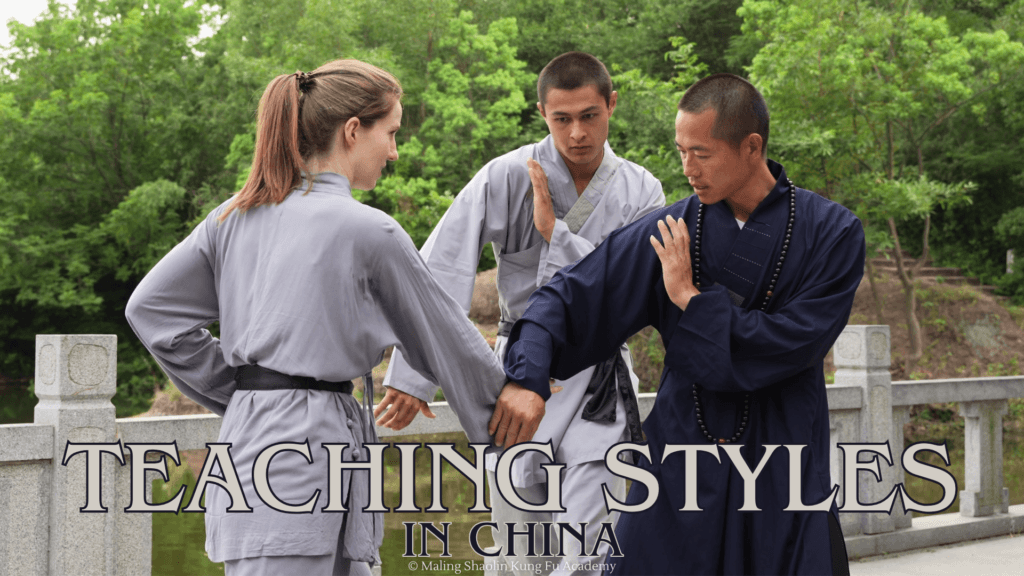
To understand teaching styles in China, especially within traditional kung fu, it is important to step beyond surface-level comparisons and look at the cultural foundation that shapes how learning itself is understood.
What often appears to Western students as distant, strict, or even passive instruction is, in reality, part of a deeply rooted educational philosophy—one that prioritizes discipline, self-cultivation, respect for hierarchy, and personal responsibility. These values are not unique to martial arts; they are reflected across Chinese classrooms, universities, and traditional training environments alike. Kung fu, however, provides one of the clearest and most concentrated expressions of this system.
Education as Self-Cultivation, Not Just Instruction
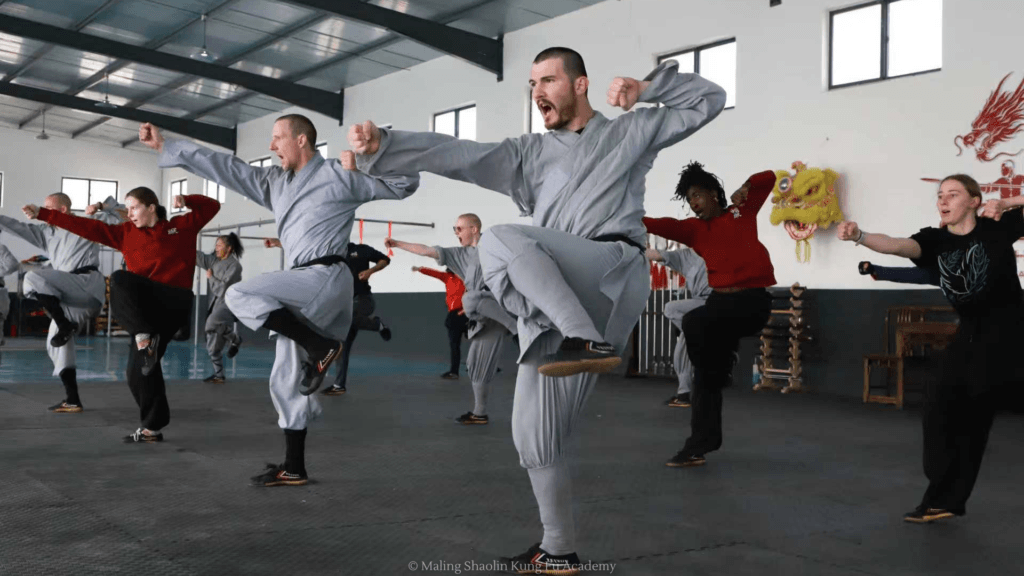
In many Western systems, education is often framed as the transfer of knowledge: a teacher explains, demonstrates, corrects, and ensures comprehension. The responsibility for progress is shared, but the structure leans heavily on guided instruction.
In China, the framework is different. Education is traditionally viewed as a process of self-cultivation (修养 / 修行). The teacher provides the path, but walking it is entirely the student’s responsibility.
This philosophy can be traced back to Confucian thought, where learning is not simply about acquiring skills, but about refining one’s character, discipline, and moral integrity. Whether in a university lecture hall or a kung fu training ground, the expectation remains the same:
You are responsible for your own development.
In kung fu schools, this becomes immediately apparent. A master may demonstrate a movement once or twice, offer a few key corrections, and then step back. To a new student, this can feel like a lack of instruction. In reality, it is intentional. The repetition, refinement, and understanding must come from the student’s own effort.
The Teacher–Student Relationship: Respect Over Familiarity
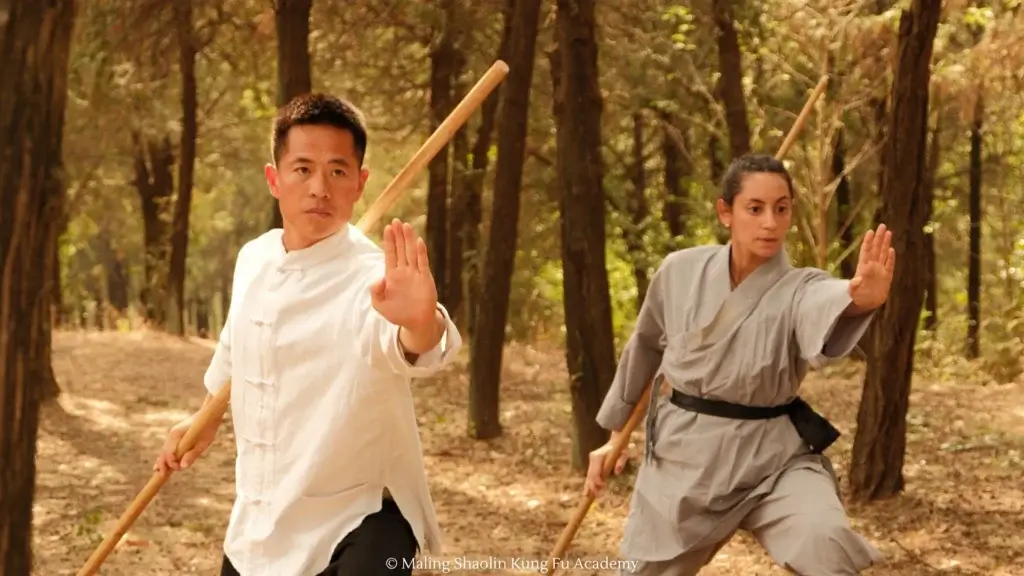
The relationship between teacher and student in China is fundamentally shaped by hierarchy and respect.
In Western environments, teachers are often encouraged to be approachable, friendly, and even informal. Students may question openly, challenge ideas, and expect ongoing feedback.
In China, particularly in traditional disciplines like kung fu, the relationship is more formal and carries a deeper sense of responsibility on both sides.
A kung fu master is not simply an instructor. They are a shifu (师父)—a term that implies both teacher and father figure. This relationship extends beyond technical training into moral guidance, behavior, and long-term personal development.
Respect is not performative; it is embedded in daily behavior:
- How a student greets their teacher
- How they stand, listen, and respond
- Whether they act with humility or ego
- Whether they follow instructions without constant questioning
This does not mean students cannot ask questions—but it does mean they are expected to observe first, think independently, and ask thoughtfully.
In many cases, a teacher will not immediately correct every mistake. Instead, they watch. Over time, they evaluate a student’s attitude, consistency, and willingness to improve. Instruction deepens not only with skill level, but with demonstrated dedication.
Observation Over Constant Correction
One of the most misunderstood aspects of Chinese teaching styles—especially in kung fu—is the role of observation.
In Western coaching systems, feedback is often continuous. Coaches correct technique in real time, provide encouragement, and actively guide each step.
In Chinese training environments, particularly traditional ones, less immediate correction does not mean less attention.
A master may appear to be walking around, speaking to others, or even not directly engaged with a particular student. But they are observing—quietly, over time.
They are not just looking at:
- Whether a movement is correct
- But how a student practices when no one is watching
- Whether they repeat with focus or laziness
- Whether they correct themselves or wait to be corrected
This long-term observation allows the teacher to assess something considered more important than raw ability:
character and discipline.
When correction does come, it is often precise and meaningful—because it is based on sustained observation rather than moment-to-moment reaction.
Practice as the Core of Learning
In kung fu, there is a saying often echoed in different forms:
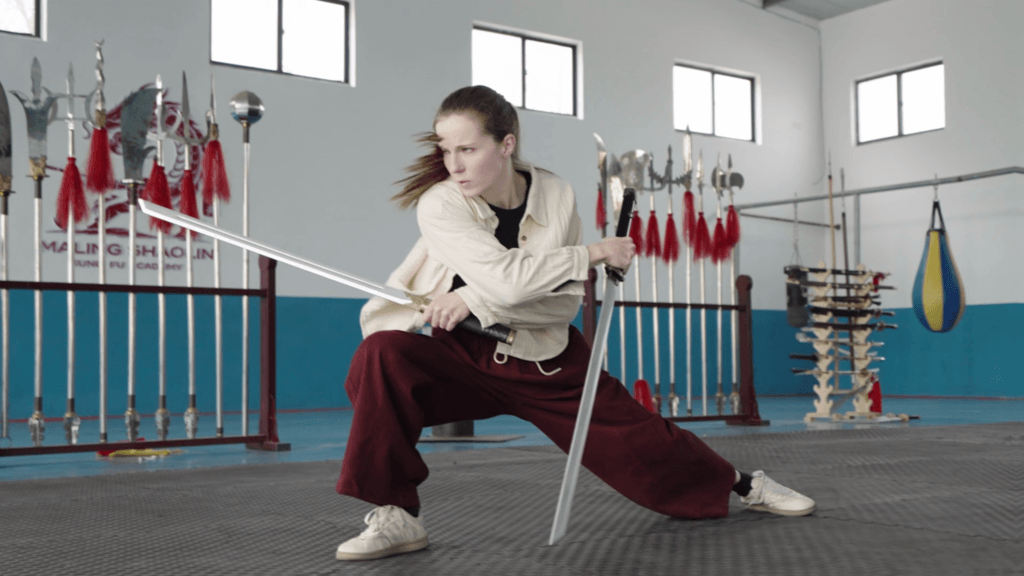
“The teacher opens the door; the student must walk the path.”
This reflects the central role of practice in Chinese learning culture.
Students are expected to train extensively on their own, outside of formal instruction. Class time introduces material and provides direction, but true progress happens during repetition—sometimes for hours, often without supervision.
This approach can feel overwhelming to students who are used to highly structured, instructor-led sessions. But within the Chinese system, this independence is essential.
It builds:
- Muscle memory
- Mental endurance
- Self-discipline
- Internal awareness
And perhaps most importantly, it reveals who is truly committed.
In universities and schools, this same principle appears in different forms. Lectures may be dense and fast-paced, with less emphasis on interactive discussion. Students are expected to review, study, and master the material independently. Success depends less on how much is explained, and more on how much effort the student invests afterward.
Discipline and Endurance as Foundational Values
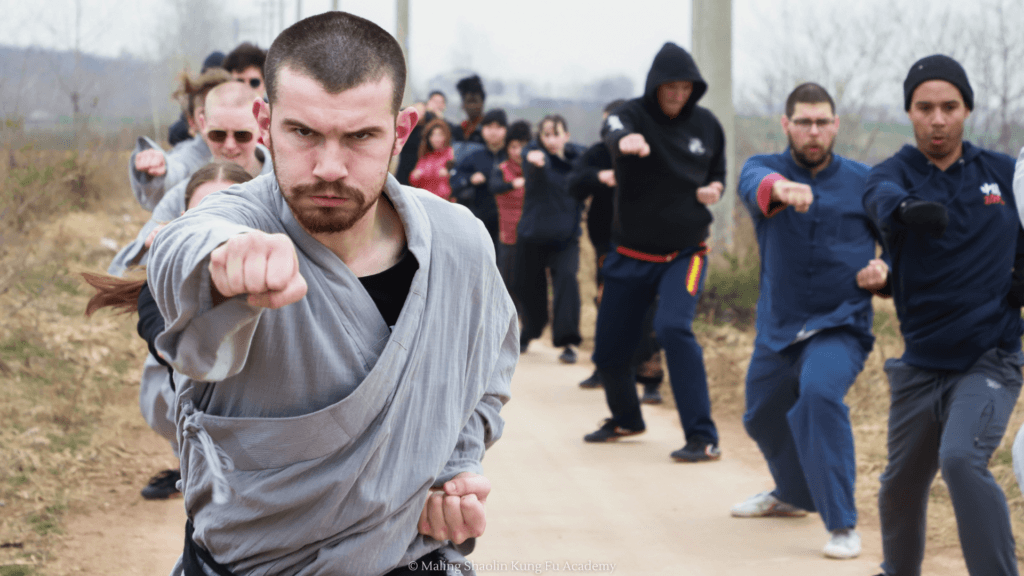
Discipline in Chinese education is not simply about rules—it is about consistency of effort over time.
In kung fu training, this is physical:
- Repeating the same stance for extended periods
- Practicing basic movements thousands of times
- Training even when tired, sore, or unmotivated
But it is also mental:
- Maintaining focus without constant stimulation
- Accepting slow progress
- Enduring discomfort without complaint
This emphasis on endurance reflects a broader cultural value:
skill is not something you are given—it is something you earn through persistence.
In contrast, Western systems often emphasize efficiency and optimization—how to achieve results faster, with better methods or coaching techniques. While highly effective, this can sometimes reduce exposure to the kind of prolonged, repetitive struggle that builds deep resilience.
Chinese training, particularly in traditional arts, embraces that struggle as part of the process.
Effort Over Talent
Another defining characteristic of Chinese teaching philosophy is the prioritization of effort over innate ability.
A naturally talented student may progress quickly at first, but without discipline, they are unlikely to earn long-term attention from a teacher.
On the other hand, a student who shows:
- Consistent effort
- Respectful behavior
- Willingness to endure difficulty
will often receive more guidance over time—even if their progress is slower.
In kung fu schools, it is common to see masters invest more deeply in students who demonstrate persistence rather than immediate skill. This reflects a belief that character determines potential more than talent does.
The Subtle Role of the Teacher
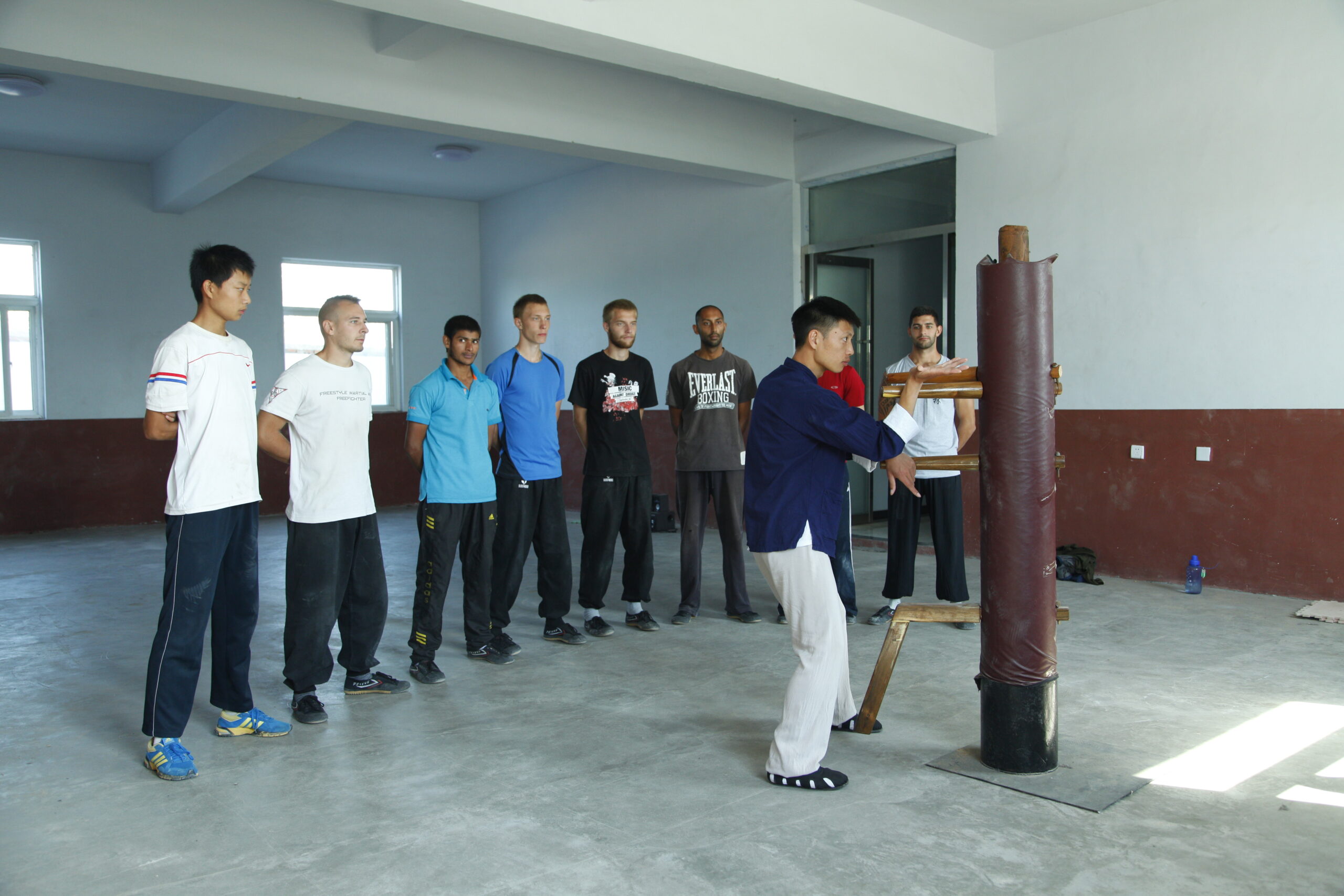
In Western contexts, a good teacher is often one who is highly visible—constantly instructing, correcting, motivating, and engaging.
In Chinese traditions, a good teacher is often more restrained.
They guide rather than control.
They demonstrate rather than over-explain.
They allow space for struggle rather than removing it.
This does not mean they are less involved—it means their involvement is more selective and intentional.
A master’s role is not to carry the student forward, but to ensure the student is capable of moving forward on their own.
Bridging Two Worlds
For international students entering a Chinese kung fu school, the adjustment can be significant.
At first, the teaching style may feel:
- Distant
- Less structured
- Lacking in feedback
But over time, many students begin to understand the deeper logic behind it.
They learn to:
- Take ownership of their training
- Observe more carefully
- Practice with intention
- Value discipline over immediate results
In doing so, they often gain something that extends beyond martial arts:
a shift in mindset.
Conclusion
Chinese teaching styles, particularly in kung fu, are built on a foundation that prioritizes self-cultivation, discipline, and personal responsibility.
The teacher provides direction, but not constant guidance.
The student is expected to observe, practice, and refine independently.
Progress is measured not only by skill, but by attitude, consistency, and character.
While this approach may differ from Western methods, it offers a powerful alternative perspective—one that emphasizes depth over speed, effort over talent, and growth over time.
And in the context of kung fu, it reflects a deeper truth:
Training is not just about learning how to move.
It is about learning how to become.