
ASK YOURSELF
IS KUNGFU RIGHT FOR YOU?
Understanding Life At
Maling Shaolin Kung Fu Academy
Training at Maling Shaolin Kung Fu Academy is more than learning martial arts techniques. It is an immersive experience rooted in discipline, personal responsibility, and continuous self-improvement.
Students come from around the world for many different reasons — to challenge themselves physically, to experience Chinese culture, to deepen their martial arts practice, or to step outside their comfort zone. Regardless of background or experience level, students who benefit most from their time here share one important quality: a willingness to train sincerely and consistently.
The information below is provided to help future students and parents understand what life and training at the academy are truly like, and to ensure that everyone arrives with clear expectations.
Use these buttons to skip ahead to content on the page:
.
.
What
Kung Fu Really Means
The word Kung Fu (功夫) does not simply mean fighting or martial arts. In Chinese culture, it refers to skill developed through time, effort, patience, and hard work.
Kung fu is built through repetition — practicing movements again and again, even when tired, uncomfortable, or challenged.
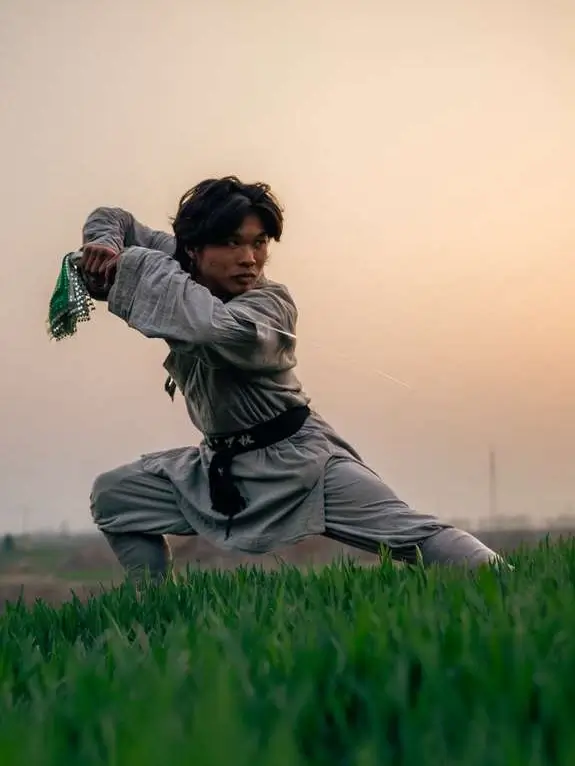
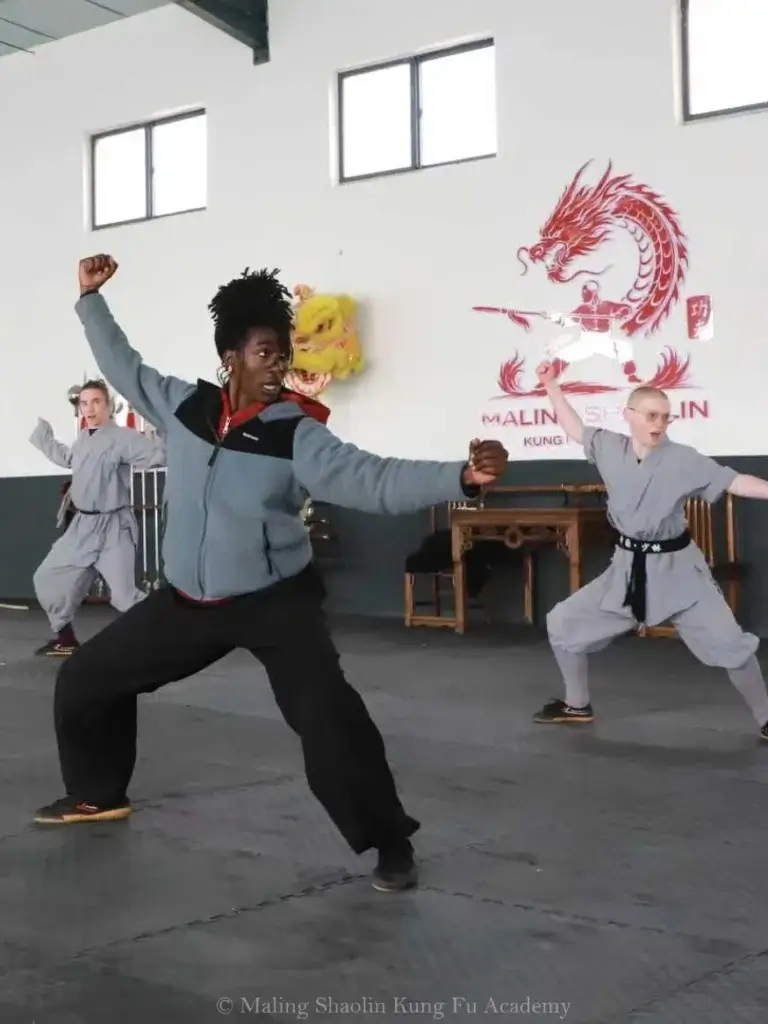
Training here is active and demanding. Students are expected to participate fully in classes and to practice independently when given time to do so.
This is not a passive learning environment. Masters demonstrate techniques, correct students, and then allow time for individual practice. During this time, students are expected to continue training on their own rather than waiting for constant supervision.
A master may not stand beside you every moment — this is intentional. Practice time is when real learning happens.
Effort matters more than talent.
Training
Mindset & Participation
Many students discover the academy while traveling or through online videos. While curiosity is welcome, it is important to understand that this is a serious training environment, not a recreational activity or sightseeing experience.
If you choose to train here, you are expected to train.
This means:
- Attend classes consistently
- Participate actively
- Continue practicing when instructed
- Push through normal training discomfort
Fatigue, soreness, and occasional dizziness during intense training are normal parts of martial arts practice. These are not signs of failure — they are part of adaptation.
Students should always communicate genuine injuries or health concerns. However, regularly sitting out of training without medical reason disrupts class flow and limits personal progress.
The effort you show directly influences how much guidance you receive. Masters naturally invest more attention in students who demonstrate commitment.
Filming
Presence Over Content
Our classes are designed for complete focus and active participation. During training, students are expected to give their full attention to their instructors, training partners, and their own development. For this reason, personal photography and video recording are not permitted during class unless specifically authorized. If you’d like to capture memories of your experience, you’re welcome to film before or after training sessions.
Occasionally, members of our staff record portions of class from the sidelines. This allows us to document authentic training, share the academy experience with prospective students, and provide current students with videos and photos of their own training. These are often shared with students after class through our group chats, so you can enjoy the memories without needing to step away from your training.
All students complete a media consent form upon arrival. If you prefer not to appear in any photos or videos, simply indicate this on your consent form, and we will not publish or share media that includes you.
Understanding
Chinese Teaching Culture
Training methods at a traditional Chinese martial arts academy may differ from Western fitness or coaching environments.
In China:
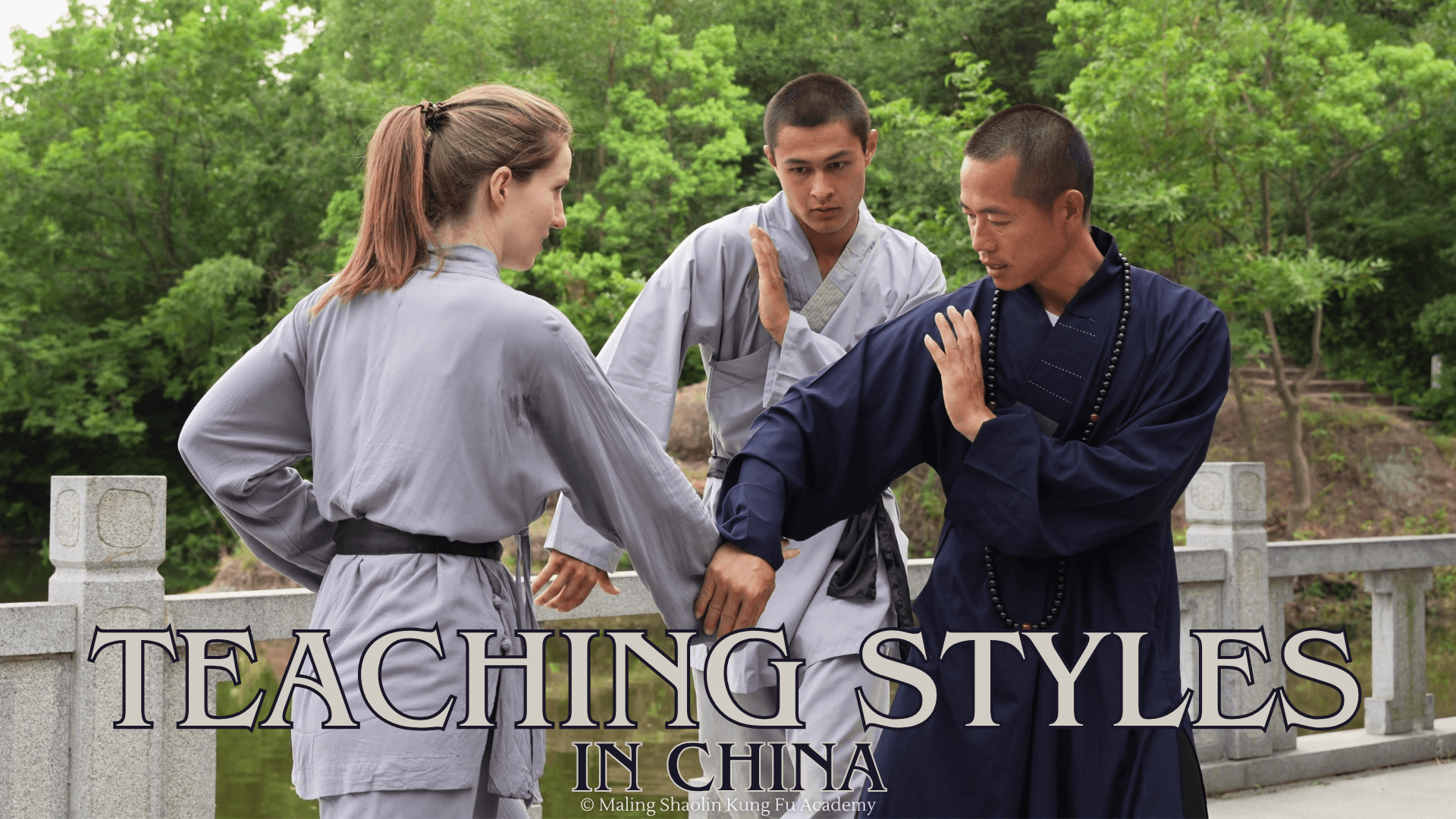
- Masters guide rather than constantly supervise.
- Students take responsibility for their own improvement.
- Practice outside direct instruction is expected.
Even when it appears a master is not watching, they are observing dedication and attitude over time. Some of the most respected students are not the most skilled — they are the ones who continue trying.
Community, Discipline, & Respect
Daily Life & Discipline
Life at the academy is structured and communal, and students should expect a consistent daily training schedule, shared living spaces depending on availability, and personal responsibility for attending and participating in classes. The academy is located in a rural environment where the focus is primarily on training rather than entertainment, and students may also notice cultural differences in communication and teaching style compared to what they are used to. Those who embrace simplicity, routine, and the rhythm of daily practice tend to benefit the most from the experience.
Students are free to explore nearby towns and cultural sites during their free time and on weekends, and we encourage cultural exploration and personal discovery. However, it is important to remain mindful of the training schedule and the physical demands of training. Students who completely stop practicing over the weekend often find it more difficult to resume training when classes begin again.
Curfew exists to support rest, recovery, and group harmony within the academy. While students are expected to return by the designated curfew time, it is also important to manage personal routines responsibly. Returning at curfew but staying awake late afterward can make the next morning’s training unnecessarily difficult. Students are encouraged to maintain a balanced and disciplined routine that supports their training.
Maling Academy is an international community where students from many countries live and train together.
In order to maintain a positive and supportive environment, all students are expected to treat one another with respect and consideration. This includes being punctual for training, keeping shared living spaces clean, respecting quiet hours in dormitory areas, and being mindful of roommates and fellow students.
Students come from many cultures, religions, and backgrounds, and respectful behavior toward all individuals is essential. Conversations that commonly create division, such as political or religious debates, should be avoided while at the school. Similarly, criticism or negative behavior toward others’ lifestyles, dietary choices, or cultural practices is not appropriate. The academy is a place for learning, cooperation, and personal growth, where students have the opportunity to train together while gaining new perspectives from people around the world.
We encourage open-mindedness and mutual respect.
Age, Behavior, & Expectations
Young Students & Parents
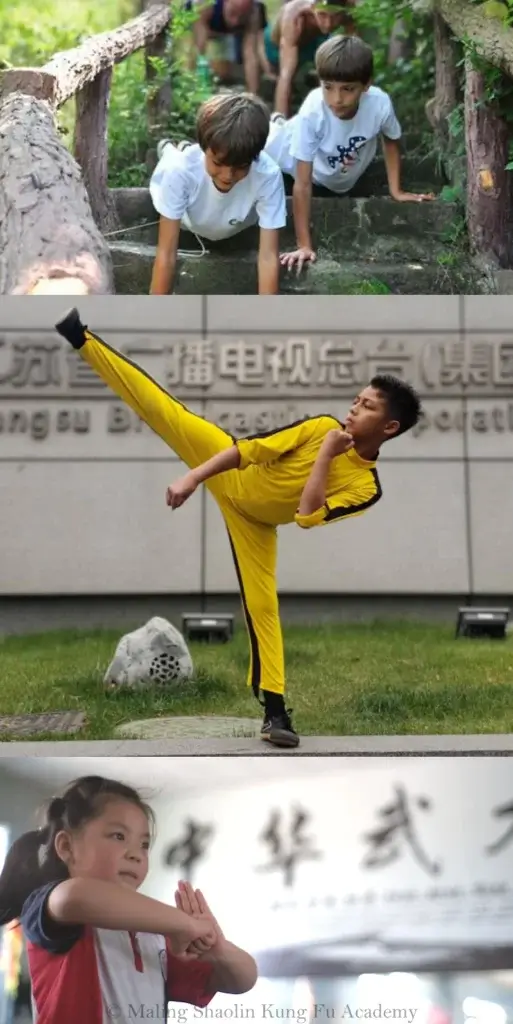
We welcome younger students under specific conditions:
- Students under 16 years old must be accompanied by a parent or guardian while at the school.
- Guardian attendance in class for ages 10–15 is considered case-by-case depending on maturity, but a parent must remain present at the school at all times.
- Our Academy currently does not accept students under 10 years old.
Training at a kung fu academy is very different from a typical recreational class or after-school activity. The daily schedule is physically demanding and requires focus, patience, and repetition. Younger students may need additional encouragement, rest breaks, and guidance to stay engaged. For this reason, parents or guardians play an important role in supporting their child’s schedule, rest, meals, and overall well-being.
At the same time, one of the most valuable aspects of martial arts training is the development of confidence, discipline, and personal responsibility. Experience has shown that older children and teenagers often grow the most when they are able to engage directly with their teachers and training environment without constant parental direction. Excessive supervision can unintentionally interrupt the teaching process and limit independence.
For students mature enough to train more independently, a supportive but hands-off approach from parents tends to produce the best results. This allows the masters to guide the student directly while encouraging motivation, focus, and perseverance. Finding the right balance between support and independence creates the most positive learning experience for everyone involved.
While we do accept younger students under the conditions outlined above, the academy is primarily geared toward adult training. Most students are in their 20s and 30s, and the environment reflects this. Younger students should be comfortable training alongside adults and may find that there are few or no other students their age during their stay.
For this reason, younger students will typically spend their time outside of training with their accompanying parent or guardian rather than relying on peer social interaction.
Not A Behavioral Reform Program
The academy is not a correctional camp or disciplinary program.
Martial arts training can support personal growth, but meaningful change must come from the student’s own willingness to participate. Masters teach and guide — they do not force students to train or manage behavioral problems. Students must arrive ready to take responsibility for their own actions and effort.
Meaningful change must come from within.
Students of Advanced Ages
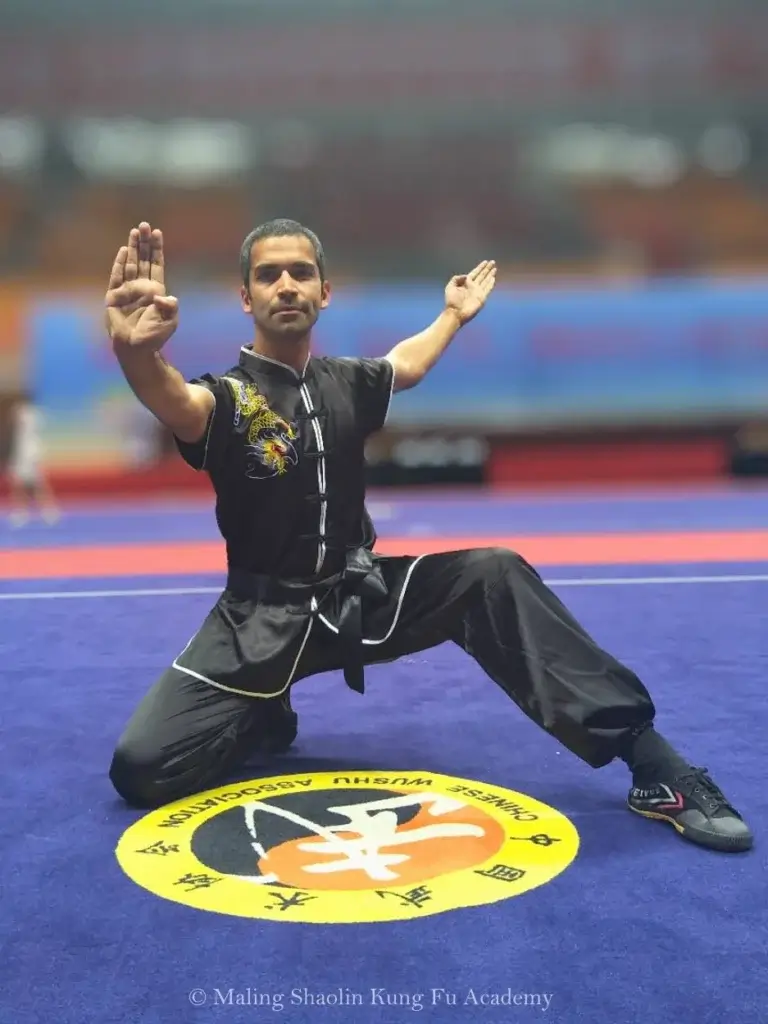
Adults of many ages train successfully at the academy, including students in their 40s, 50s, and beyond.
Training can be adapted when necessary, but realistic expectations are important:
- Some high-impact activities may not suit every body.
- Alternative practices such as Tai Chi, Qigong, or conditioning may be emphasized.
- Progress is measured by improvement relative to your own starting point.
Students who train consistently within their limits often experience significant improvements in strength, mobility, and overall health.
For students aged 50 and above, a basic health certificate from a doctor is required prior to arrival. This is to ensure that you are physically able to participate safely in training.
This does not mean you are expected to complete every class at full intensity. However, all students should be capable of participating in general physical activity, including warm-ups, stretching, foundational training, and light conditioning exercises.
Kung fu training is physically demanding, and this requirement helps ensure a safe and positive experience for both the student and the academy.
Health Conditions & Medical Clearance
For the safety of all students, it is important that any existing medical conditions or past injuries are disclosed before arrival. Kung fu training is physically demanding and includes endurance work, strength training, flexibility, and coordinated movement. While training can be adapted when necessary, students must be in suitable condition to safely participate in general physical activity.
Students aged 50 and above are required to provide a basic health certificate from a doctor prior to arrival. In addition, students of any age may be required to provide a health certificate if they have a medical or mental health history that could affect training or communal living. This may include, but is not limited to:
- History of seizures, fainting, or neurological conditions
- Past strokes or brain-related medical procedures
- Heart conditions or breathing-related issues such as asthma
- Recent surgeries or significant injuries
- Metal implants such as plates, rods, or joint replacements
- Chronic conditions affecting mobility, balance, or physical exertion
Conditions such as frequent or severe migraines, or any issue that may be triggered by physical exertion, heat, or fatigue, should also be disclosed. Mental health conditions that may affect physical training, group living, emotional regulation, or personal safety should also be disclosed in advance. In some cases, additional medical clearance may be required.
This policy is not intended to exclude students, but to ensure that training is conducted safely and appropriately for each individual. In some situations, training may be modified based on a student’s condition, but all students must be capable of participating in foundational activities such as warm-ups, stretching, and moderate intensity training.
Failure to disclose relevant medical conditions in advance may result in limitations on training participation or, in serious cases, the inability to continue training. If you are unsure whether your condition applies, we encourage you to contact us in advance so we can advise you accordingly.
Smoking & Substances
Students should understand that kung fu training promotes health and physical development.
- Smoking is not permitted anywhere inside academy grounds.
Students who choose to smoke must leave the property entirely and use designated areas away from entrances. - Alcohol is not allowed except during special occasions approved by the masters (such as certain traditional holidays).
- Drugs are strictly prohibited.
Drug laws in China are extremely strict, and violations carry serious legal consequences.
Students are expected to act responsibly and in a way that supports both their own training and the academy environment.
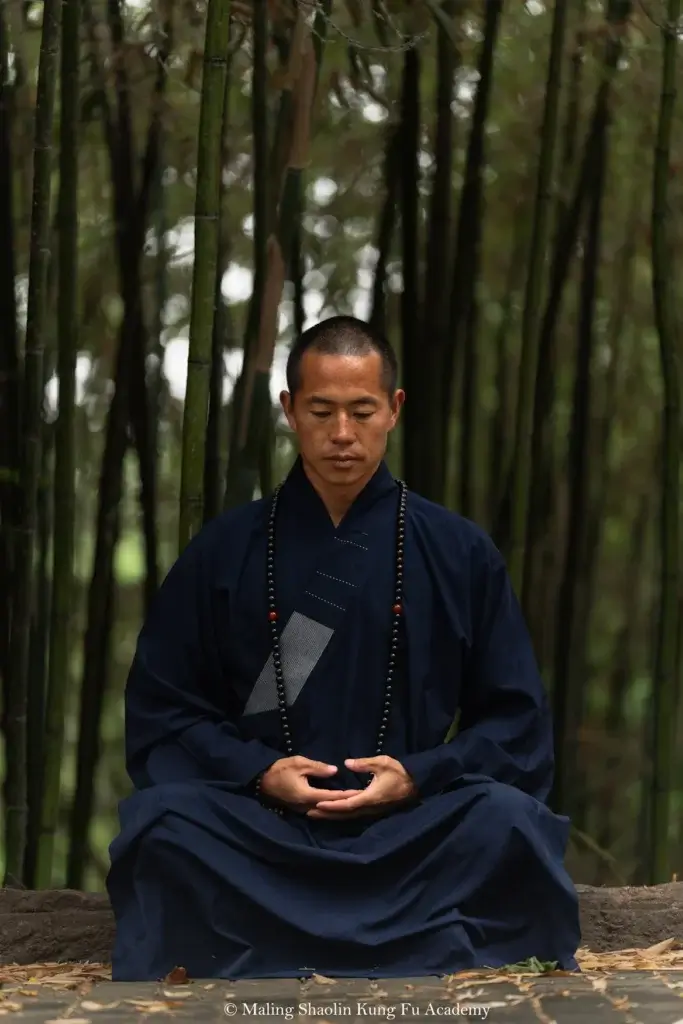
Mindset & Purpose
Students are encouraged to stay aware of how their daily choices affect their training.
Kung fu requires energy, focus, and consistency. How you spend your time outside of class—especially in the evenings and on weekends—can either support your progress or hold it back.
While students are free to explore and enjoy their time in China, moderation and self-discipline are key.
Those who make the most progress are often the ones who remain consistent, take care of their bodies, and approach their time here with intention.
In Shaolin training, discipline is not only built through movement, but through the decisions you make each day.
Who Thrives Here
The students who gain the most from their time at the academy are not necessarily the strongest, fastest, or most experienced—they are the ones who come with the right mindset.
Students who thrive here tend to be open-minded and willing to step outside of their comfort zone. They are consistent in their effort, even when training becomes difficult or uncomfortable, and they are self-motivated, able to continue practicing even when not being directly supervised. They show respect to their instructors, fellow students, and the shared training environment, and they are patient, understanding that progress in kung fu takes time, repetition, and persistence. They understand that training is not always easy or enjoyable in the moment—but they continue anyway.
They use their free time wisely, review what they’ve learned, and take responsibility for their own development. They don’t wait to be pushed—they push themselves. At the same time, they are adaptable. They accept that things may be different from what they are used to—whether in teaching style, daily routine, or cultural environment—and they approach these differences with curiosity rather than resistance.
Most importantly, they remember why they came.