Tag Chan Buddhism

Spirituality in Shaolin: Why Shaolin Training Begins with the Body
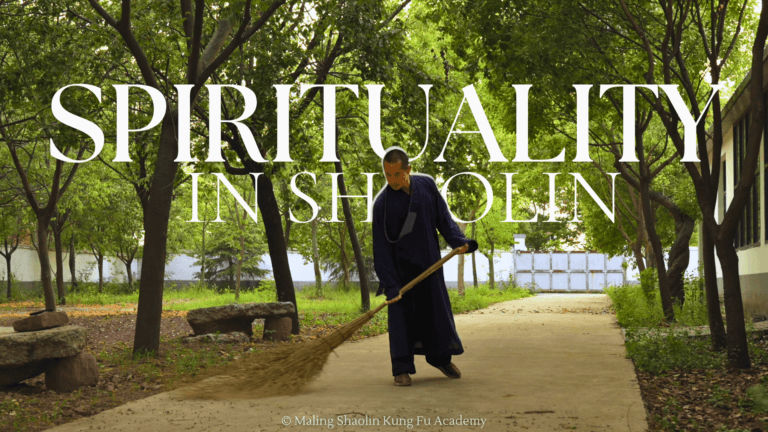
Many students arrive at a Shaolin kung fu school expecting constant meditation, spiritual discussion, and a peaceful “zen” environment. But in Shaolin training, the spiritual path usually begins somewhere much more practical: the body. Through repetition, discomfort, discipline, breath, and endurance, students first strengthen the body, then train the mind, and only later begin to understand the deeper spiritual meaning behind the practice.
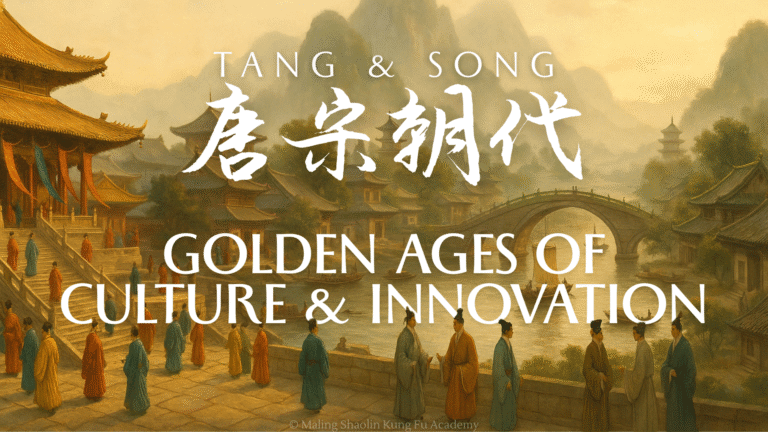
The Dynasties That Shaped China Part 4

From the flourishing arts of the Tang dynasty to the scientific breakthroughs of the Song, this era marked a golden age of Chinese civilization. Discover how these dynasties transformed culture, government, commerce, and technology—setting the stage for global innovations in printing, navigation, and military strategy.

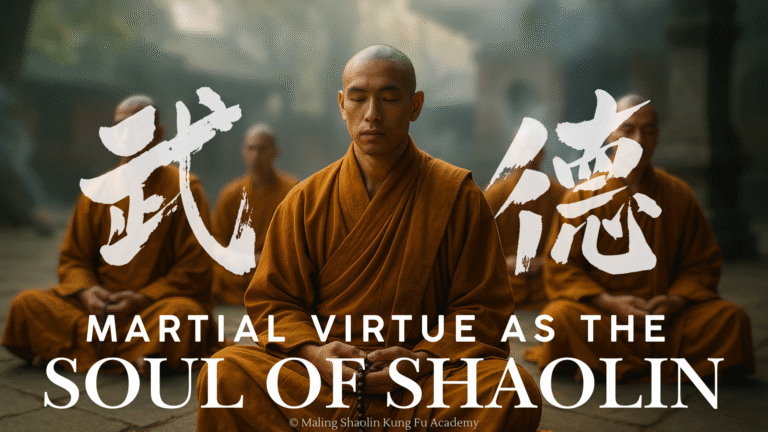
Wǔdé (武德): Martial Virtue as the Soul of Shaolin

At the heart of Shaolin Kung Fu lies Wǔdé (武德), the moral code that guides warriors to train with humility, fight with compassion, and live with purpose. In this post, we explore the ethical foundation of Shaolin training—from the virtues of respect and righteousness to the inner discipline of a still mind—and how these principles continue to shape martial artists around the world today.

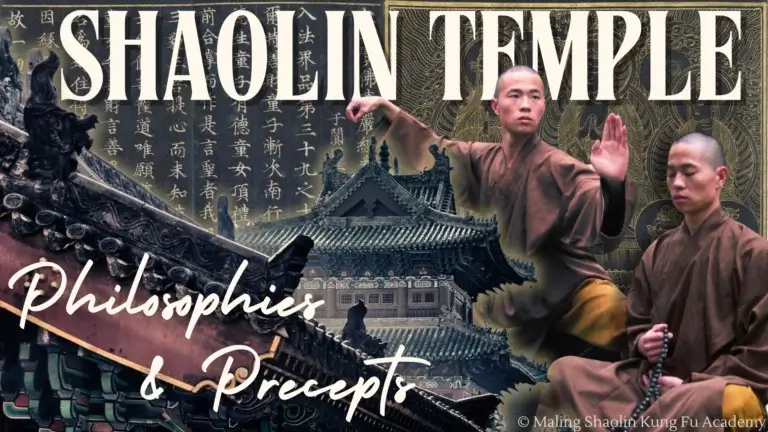
The Philosophies and Precepts of the Shaolin Temple

The Shaolin Temple is revered not only as the birthplace of Chan (Zen) Buddhism but also as the cradle of Chinese martial arts, particularly Shaolin Kung Fu. The philosophies and practices within the Shaolin Temple are a unique blend of Buddhist teachings, martial discipline, and ethical conduct. This article delves into the various philosophies, precepts, virtues, and the distinctive roles of the monks within the Shaolin Temple.

Buddhist VS Shaolin Monks: What’s the Difference?

The Shaolin Temple, nestled in the Songshan Mountains of Henan Province, China, is renowned for its rich history and dual traditions of Buddhism and martial arts. Within its sacred grounds, both Buddhist monks and Shaolin warrior monks live and practice, each following distinct paths of spiritual and physical cultivation, providing a fascinating glimpse into two distinct yet intertwined traditions.

Buddhism in China: A Journey of Spiritual Integration

Buddhism, one of the world's major religions, has played a significant role in shaping the spiritual landscape of China for over two millennia. Introduced from India, Buddhism underwent a remarkable journey of adaptation, assimilation, and integration within Chinese society, leaving an indelible mark on its culture, philosophy, and religious practices.