
Tag learn kungfu

The Dynasties That Shaped China Part 3

Part 3 of The Dynasties That Shaped China explores a time of division and transformation. During the Three Kingdoms and the Northern and Southern Dynasties, China experienced intense warfare, political fragmentation, and spiritual awakening. Yet from this disunity emerged powerful cultural shifts: the rise of Buddhism, the spread of Daoism, and the foundations of Chinese martial arts. This era saw the birth of the legendary Shaolin Temple and the evolution of religious and military traditions that would shape China’s spiritual and martial identity for centuries to come.

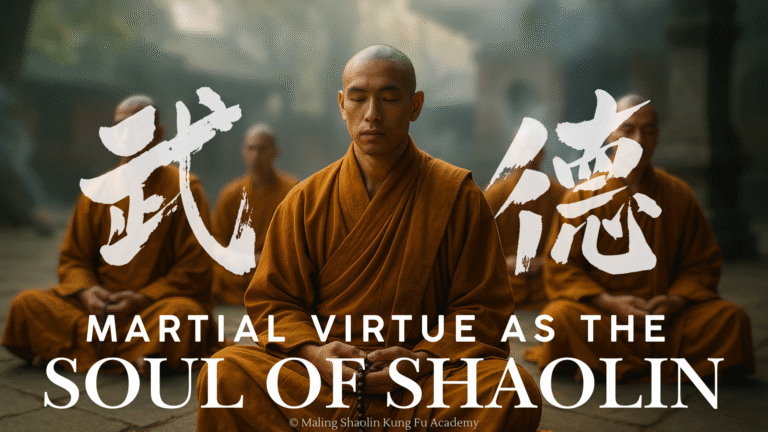
Wǔdé (武德): Martial Virtue as the Soul of Shaolin

At the heart of Shaolin Kung Fu lies Wǔdé (武德), the moral code that guides warriors to train with humility, fight with compassion, and live with purpose. In this post, we explore the ethical foundation of Shaolin training—from the virtues of respect and righteousness to the inner discipline of a still mind—and how these principles continue to shape martial artists around the world today.

The Styles Within the Temple Part 3: Styles, Forms, and Weapons of Shaolin

In the final part of our series featured in Martial Arts Magazine Australia, we explore the incredible depth of styles, forms, and weapons taught at the Shaolin Temple. Far from being a fixed curriculum, Shaolin Kung Fu is a living archive—home to over 700 forms and a vast arsenal of traditional weapons. This section reveals how the temple preserves, adapts, and transmits martial knowledge through hands-on tradition, discipline, and purpose.

Tiger Style Kung Fu: Power, Ferocity, and the Spirit of the Beast

Tiger Style Kung Fu (Hǔ Xíng Quán) is one of the most powerful and aggressive styles in Chinese martial arts. Inspired by the tiger's raw strength and unyielding spirit, this style focuses on crushing strikes, clawing techniques, and relentless forward pressure. Practitioners develop explosive power, endurance, and fearlessness through rigorous conditioning and combat training. Whether in traditional Shaolin forms or modern martial applications, Tiger Style remains a testament to the strength and discipline of true martial artists.

The Tradition of Student Cleaning in Asian Schools: A Focus on China

the role of student cleaning in Asian schools

Did you know that in many Asian countries, including China, students are responsible for cleaning their schools? This tradition goes beyond just maintaining cleanliness; it teaches valuable life skills and cultural values. From instilling a sense of responsibility and discipline to fostering a strong work ethic and respect for labor, participating in cleaning activities benefits students in more ways than one. Even the renowned Shaolin Temple, birthplace of Zen Buddhism and martial arts, incorporates cleaning practices into its disciples' daily routines. Discover the educational, cultural, and spiritual significance of student cleaning in this fascinating exploration.

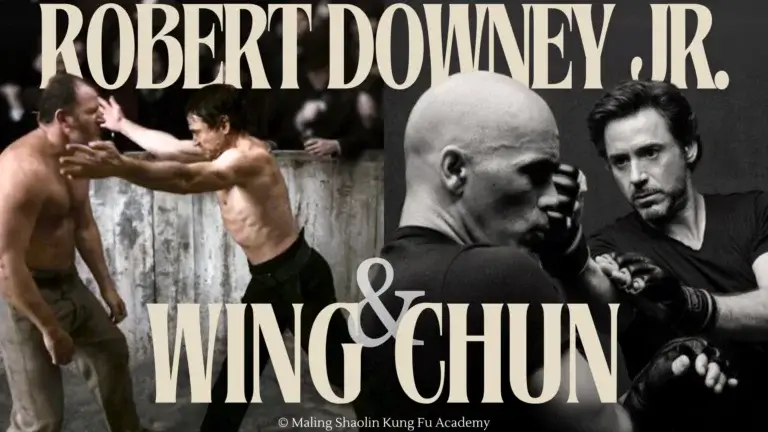
Robert Downey Jr., Wing Chun, & Sherlock Holmes

Robert Downey Jr. is one of Hollywood’s most iconic actors, known for his charismatic performances and remarkable personal transformation. Behind the scenes, a significant aspect of his life has been his dedication to the Chinese martial art of Wing Chun. This ancient discipline has not only played a crucial role in his personal journey but has also influenced his portrayal of the legendary detective Sherlock Holmes in the Guy Ritchie-directed films.

Direct Hands, Agile Mind: The Art of Wing Chun

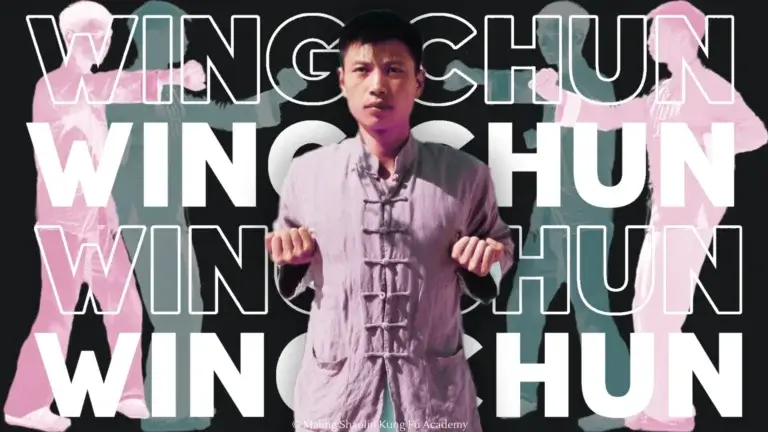
Wing Chun (詠春, Yǒng Chūn) is a highly efficient and refined system of Chinese martial arts that focuses on close-range combat. Originating in Southern China, it is renowned for its simplicity, directness, and emphasis on structure and sensitivity over brute force. The art is deeply rooted in the principles of economy of movement and energy efficiency, making it an elegant yet powerful system for self-defense.