爱诗礼

爱诗礼

Comparing Halloween and China’s Hungry Ghost Festival: Celebrating the Spirit World
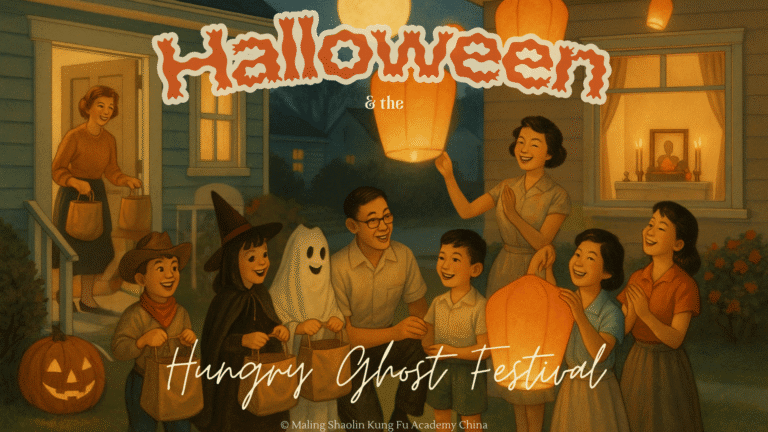
While Halloween today is about costumes and candy, it originates from ancient Celtic rituals to honor the dead. Compare this with China’s Hungry Ghost Festival, where families offer food and prayers to restless spirits. Both festivals share a common theme of honoring the deceased, but their customs, origins, and cultural meanings differ. Dive into the history and rituals of both holidays, exploring their fascinating connections to the supernatural.
The Dynasties That Shaped China Part 5

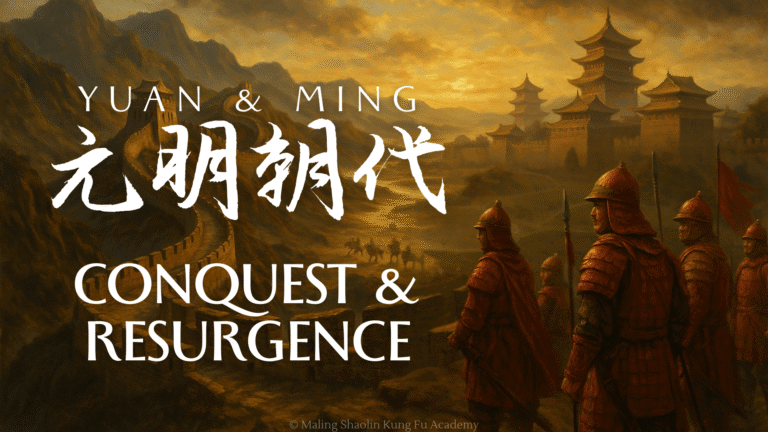
From the Mongol-led Yuan dynasty to the Han Chinese revival under the Ming, this chapter traces a turbulent yet brilliant era in Chinese history. Discover how foreign rule reshaped governance, trade, and culture, and how the Ming reasserted native traditions, global ambition, and martial valor — even calling on Shaolin monks to defend against pirates. A vivid journey through two dynasties that defined resilience and resurgence.

The Real Martial Arts and Healing Philosophy Behind Waterbending in Avatar: The Last Airbender

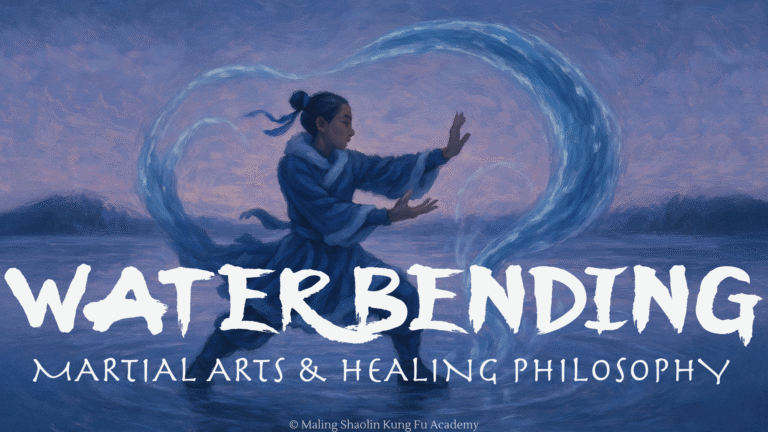
Waterbending in Avatar: The Last Airbender is more than fantasy—it’s grounded in real martial arts and healing wisdom. From Tai Chi’s flowing forms to Traditional Chinese Medicine’s qi meridians, this article explores the philosophy, culture, and strategy behind the Water Tribe. We’ll look at Katara’s dual role as healer and warrior, Sokka’s Sun Tzu-inspired tactics, and how Arctic survival and Chinese influence shape Waterbending into an art of balance, compassion, and power.

The Dynasties That Shaped China Part 4

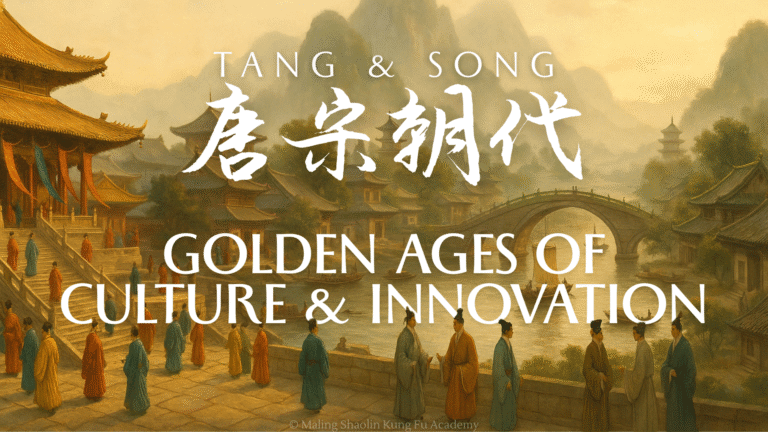
From the flourishing arts of the Tang dynasty to the scientific breakthroughs of the Song, this era marked a golden age of Chinese civilization. Discover how these dynasties transformed culture, government, commerce, and technology—setting the stage for global innovations in printing, navigation, and military strategy.